
Nature
- Home
- Nature
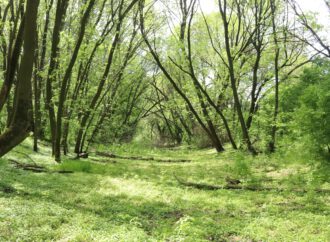
Focus on floodplains0
The Danube Floodplain project aims to improve the transnational integrative water management and flood risk prevention while maximizing benefits for biodiversity conservation by restoring floodplains, combining classical and green infrastructure, natural retention measures, involving stakeholders. In the past decades, heavy alteration of wetland ecosystems characterized the land use. Since 1970, 90% of the global wetlands
READ MORE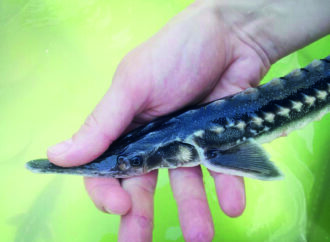
Why the sturgeon is a special fish for the Danube0
Threatened by illegal fishing and caviar trade Sturgeons represent a natural heritage of the Danube River Basin and key indicator species for high ecological quality of rivers. Their dramatic decline in the last decades has become an issue of basin-wide importance that got the attention of the Danube countries and the European Commission. Through the
READ MORE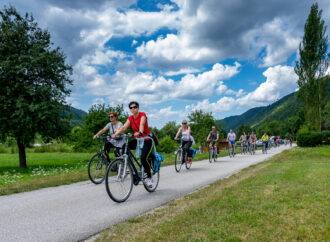
The “Hydropower Plant” of interregional Danube projects0
The Danube Offi ce Ulm/Neu-Ulm has long been an important partner and source of information for danube connects – after all, it has been acting as a project agency for interregional cooperation since 2002 and supports encounters and exchanges in the whole Danube region. Our readers have certainly already come across the biennial Danube Festival
READ MORE
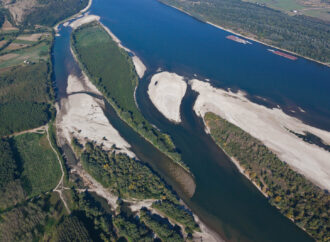
Wild Islands – Protecting Danube areas across borders0
DANUBEPARKS, the network of Danube protected areas, was established in 2007. Its aim is to unite all protected areas along the Danube, all facing the same challenges, in order to achieve common nature conservation objectives better and more efficiently through increased cooperation. “Cross-border and transnational cooperation is an indispensable part of this work. Nature does
READ MORE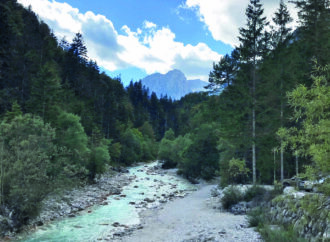
I feel Slovenia!0
My colleague Sabine Geller are on our way to explore Slovenia, one of the “greenest countries in Europe”. Sustainable tourism is very important in this relatively small EU country with its 20.000 km2 and about two million inhabitants. We want our road trip from Ulm to be sustainable. We start our trip in Jettingen-Scheppach with
READ MORE
GoZero Danube0
The Danube, the most multinational river in the world, is constantly facing new dangers: One of the biggest pollution hazards is microplastics – it threatens fish and fish larvae in particular. It is estimated that around 40 tonnes of microplastics, i.e. pieces of plastic with a diameter of five millimeters or less, are transported through
READ MORE